Guides / App development
Why competition keeps people using apps
The apps people return to fit into something they already do. Across the six apps we have built, that works in two ways: competition, and everyday tasks. Of the two, competition is the more powerful. You do not need endless new content when people are competing for status, because the other players are the content. Here is what we have learned from building both kinds.
- People return to apps that fit into something they already do
- Competition is the strongest pull: rankings, belts and head-to-head matches give people a reason to come back
- You do not need endless new content when people are competing for status
Why do most apps get opened once and forgotten?
Because they ask people to form a new habit, and people have enough habits.
An app that needs you to remember it exists is competing with everything else on your phone. An app attached to something you were going to do anyway, such as train, sing, or clean a rental between guests, gets opened because the activity happens, not because a notification nagged you.
That is the first test we apply to any app idea, ours or a client's. What is the person already doing when they reach for this?
What are the two things that bring people back?
Competition
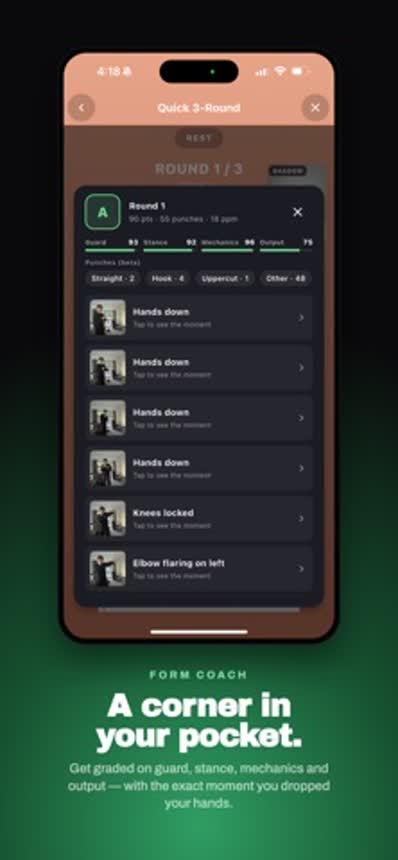
- Boxerium: belts, rankings, online fights
- Hoopium: King of the Court, leagues
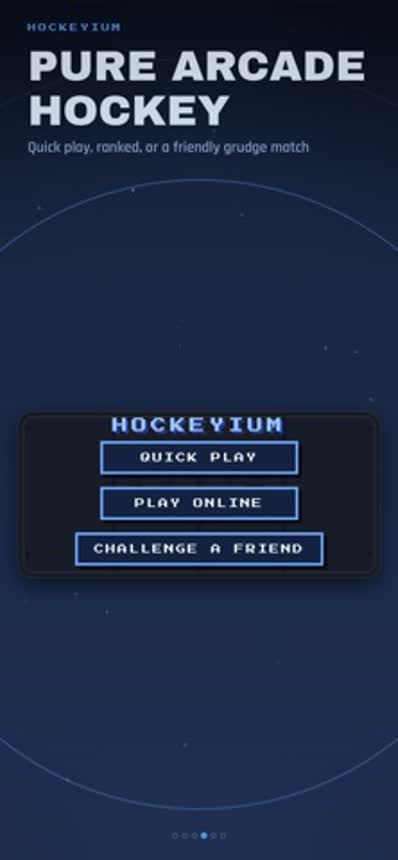
- Hockeyium: live matches and a ladder
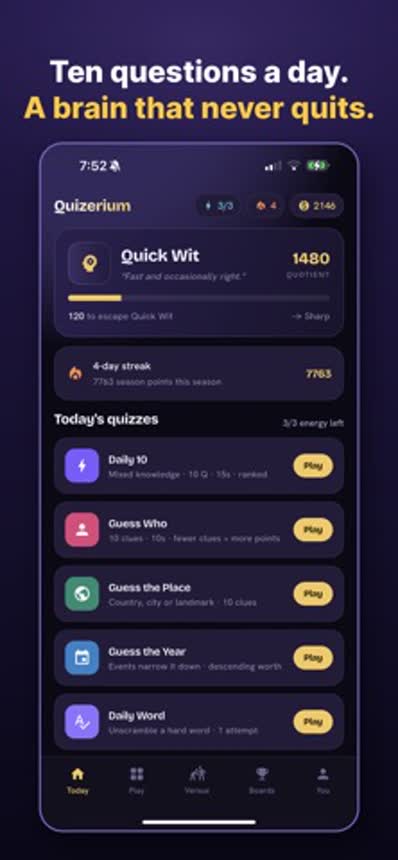
- Quizerium: scores against other players
Everyday tasks
- HostMaster: bookings and cleaning schedules for rental hosts
- Singium: live auto-tune and recording for people who make music
Competition. Boxerium, Hoopium, Hockeyium and Quizerium are built around rankings, belts and head-to-head matches. Boxerium and Hoopium are also companions to sports people already love, making real training more rewarding.
Everyday tasks. HostMaster and Singium support things people do anyway, whether that is running a short-term rental or making music.
Both work. They work differently, and it helps to know which kind of app you are building.
Why is competition the stronger of the two?
Because status renews itself.
Content runs out. A game with forty levels is finished at level forty, and the developer has to build forty more. A ranking is never finished. Someone is always just above you, and someone is always about to pass you.
Think of Fortnite, where reaching tier 100 on a battle pass is a badge of honour. Nobody needs tier 100. People want it because other people can see it. In our apps, it is winning a belt in Boxerium or wearing the King of the Court crown in Hoopium.
Competition pushes people to be their best, and it keeps them coming back, because they want to win.
What makes competition feel fair?
Fairness is the whole thing. People stop competing the moment they think the result is rigged or the opponent is far out of their league.
- Match people by skill. Boxerium and Hoopium use Elo rankings, the system chess made famous, so players are matched and ranked fairly. Beating a stronger player moves you up more than beating a weaker one.
- Do not let people score themselves. In Boxerium, two players get the same random workout, the camera scores both, and the higher score wins. The scoring is done by the app, not typed in.
- Keep it local as well as global. Being the best in the world is out of reach. Being the best at your court is not. Hoopium ranks players at their own court as well as more widely.
- Make status visible. A belt, a crown, a rank on a player card. If nobody can see it, it is not status.
What does competition look like in a real app?
| App | What people compete for | How it is decided |
|---|---|---|
| Boxerium | Belts and an Elo rank | Online fights on the same random workout, scored by the camera |
| Hoopium | The King of the Court crown, league results | Elo rankings at your court and beyond |
| Hockeyium | A place on the rankings | Live online matches |
| Quizerium | The top score | Rounds scored on how few clues you need |
Hockeyium was built as a technical challenge after Boxerium. Boxerium's fights are turn-based: each player does the workout, and the scores are compared. Hockeyium is real-time, with both players on the ice at once. Real-time is far harder to build, and it is worth knowing that turn-based competition delivers most of the pull for a fraction of the work.
What about apps where competition makes no sense?
Then the answer is usefulness, and being there at the right moment.
Nobody wants a leaderboard for cleaning schedules. HostMaster earns its place by doing a job a rental host has to do after every booking: working out when the next clean is and who needs to know. Singium earns its place by being open whenever someone feels like singing.
For this kind of app, retention comes from removing steps. Every tap between opening the app and getting the thing done is a reason not to bother. The measure of success is not time spent in the app. It is whether the task got done.
How should you design for retention from the start?
- Name the thing people are already doing when they would open the app.
- Decide which kind of app it is: competition, or an everyday task.
- If competition: what is the status, who can see it, and how is it kept fair?
- If a task: how few taps from opening to done?
- Give people something to work towards in the first session, not the tenth.
- Build the smallest version that proves people come back, then add to it.
That last point has a practical side as well. A small first version gets through App Review sooner, and real users will show you what to build next.
Does this apply to a business app?
Often, yes, in a quieter form. A loyalty scheme is status. A streak is competition with yourself. A staff app that shows who has completed their checks this week is a ranking, whether or not you call it one.
It can also be overdone. Points and badges bolted onto an app nobody needed do not rescue it. The activity has to matter to the person first. Ethan built Boxerium because boxing timer apps were basic and hitting the bag every day gets boring. The belts work because the boxing came first.
If you are weighing up whether your idea should be an app at all, start with app vs website.